
Slendertone Review: Is the UK's Most Popular Toning Belt Worth the Investment in 2026?
A hands-on assessment of EMS toning belt technology for UK fitness enthusiasts who want to supplement outdoor training and traditional core work — with real specs, pricing, and honest opinion from someone who's actually used one.
What Is Slendertone and How Does EMS Work?
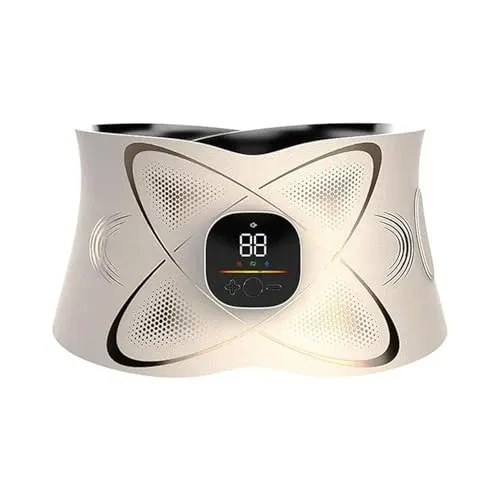
EMS — electrical muscle stimulation — sends low-level electrical impulses through gel pads to trigger involuntary muscle contractions. That's the core principle behind every slendertone belt on the market. The technology isn't new. Physiotherapists have used it for decades in rehabilitation settings. What's changed is the packaging: a wearable belt you can strap on while watching telly or doing the washing up.
I'll be straight with you. When a mate first suggested I try an ab toning belt, I thought it was a gimmick. Something you'd see on a late-night shopping channel between ads for miracle mops. But the science behind EMS is legitimate — the NHS acknowledges electrical stimulation as a valid therapeutic tool for muscle rehabilitation and strengthening.
The Basic Mechanism
Your brain sends electrical signals to muscles to make them contract. An EMS belt mimics this process externally. The electrical current passes through your skin, reaches the motor neurons, and forces the abdominal muscles to contract and relax in programmed patterns. Simple as that.
Most modern toning belts offer between 50 and 150 intensity levels. The better ones — including the rechargeable models we've tested — combine multiple stimulation modes with features like heat therapy for comfort during longer sessions.
Who Actually Benefits from an EMS Ab Belt?
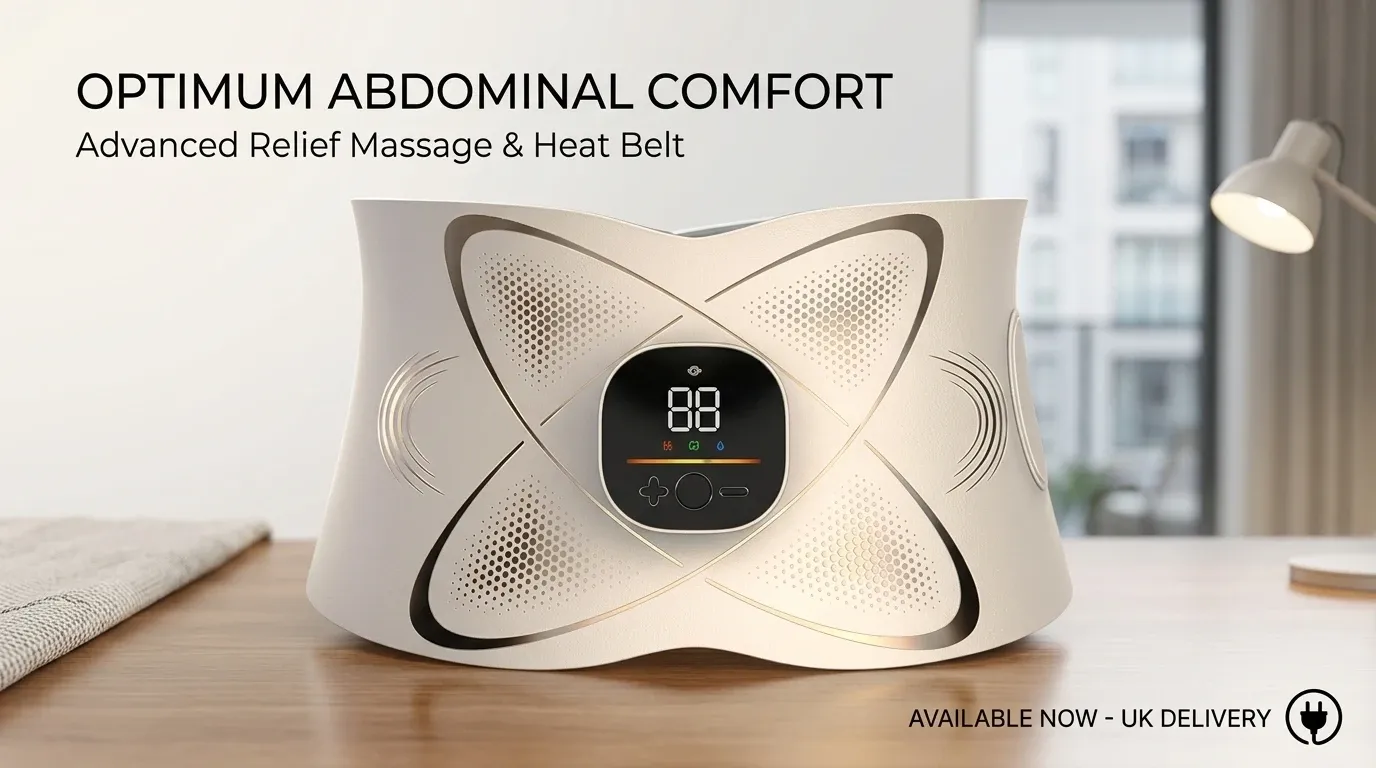
Not everyone needs one. Let's be honest about that upfront.
If you're already smashing out planks, hanging leg raises, and ab rollouts five days a week, an EMS belt isn't going to revolutionise your physique. But here's where it gets interesting — for people who sit at a desk all day, or those recovering from injury, or folk like me who spend long shifts on their feet behind a bar and can't always get to the gym, it fills a genuine gap.
Ideal Candidates
Office workers with weak core activation. Post-natal women rebuilding abdominal strength (with GP approval). Runners and cyclists wanting supplementary core work without extra fatigue. People recovering from back injuries. And yes, anyone who's honest enough to admit they won't do 200 crunches a day but might wear a belt for 30 minutes while making dinner.
So what's the catch? You can't out-stimulate a bad diet. No ab belt — regardless of brand or price — will burn significant fat. That's not what it's designed for. It's a muscle conditioning tool, full stop., a favourite among Britain’s tradespeople
Product Specifications and Pricing: What £78.60 Gets You
Our Tulilutele EMS Heated Ab Toning Belt sits at £78.60 with free UK delivery — compare the feature list below before choosing between Slendertone and newer heated alternatives.
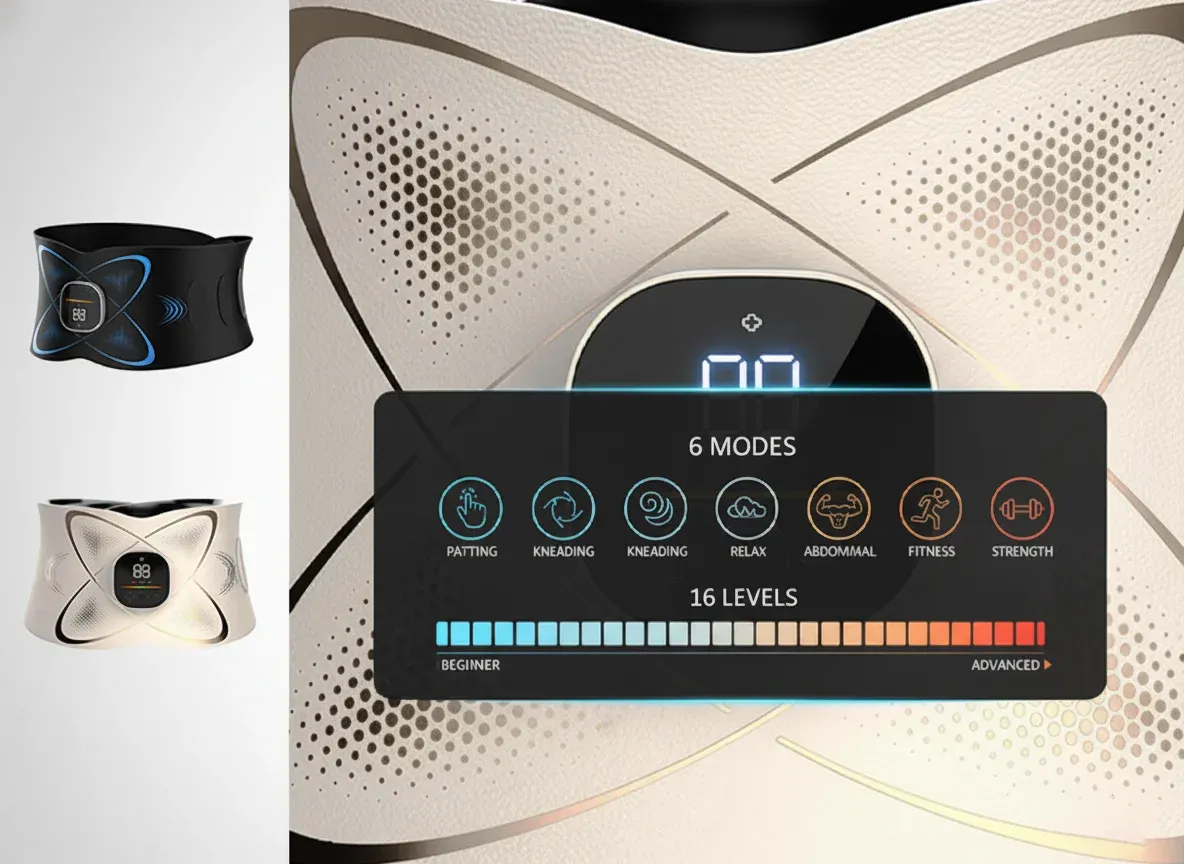
The rechargeable EMS ab toning belt available at tulilutele.co.uk comes in at £78.60 — positioning it in the mid-range bracket for quality toning belts in the UK market as of spring 2026.
Core Specifications
- Price: £78.60
- Power: Rechargeable battery (USB charging)
- Modes: 7 stimulation programmes
- Intensity levels: 99 adjustable settings
- Special feature: Integrated heat therapy
- Target area: Abdominal muscles (rectus abdominis, obliques)
- Control: Remote control included for quick adjustments
That heat therapy element is worth a mention. Most budget belts under £40 don't include it. The warmth helps relax the muscle tissue before stimulation kicks in, which in my experience makes higher intensity levels more tolerable — especially during those first few sessions when everything feels a bit alien.
Worth the extra spend over a £25 no-name belt from a marketplace? I'd say yes. The rechargeable battery alone saves you a fortune on replacement cells over 12 months. My old battery-powered unit was eating through AAAs like nobody's business.
Does EMS Toning Actually Work? The Evidence
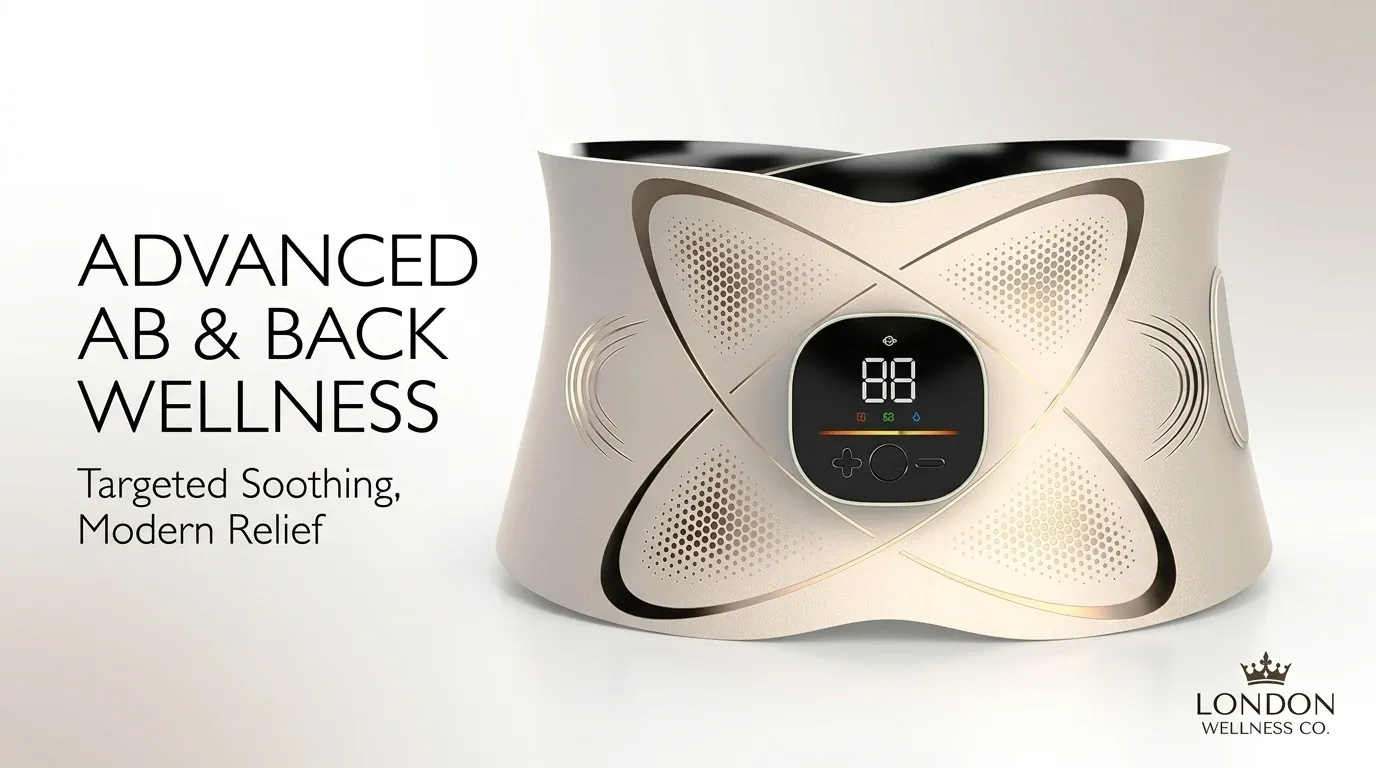
Yes, but with caveats. EMS can increase muscle strength and endurance when used consistently over 6-8 weeks.
A frequently cited study from the University of Wisconsin-La Crosse found that participants using EMS devices 5 days per week for 8 weeks showed measurable improvements in abdominal strength and endurance. The NHS guidance on muscle stimulation supports its use in clinical rehabilitation contexts, though they're careful to note it shouldn't replace conventional exercise entirely.
What You Can Realistically Expect
After 4-6 weeks of regular use (20-30 minutes daily, 5 days per week):
- Improved muscle tone — firmer abdominal wall, better posture
- Increased core endurance — measurable in plank hold times
- Better mind-muscle connection — you'll feel your abs engaging more during regular exercise
- No significant fat loss — this requires caloric deficit through diet and cardio
One thing I should clarify: the "toning" in toning belt is slightly misleading. What you're really getting is muscle conditioning. Visible abs still require a low enough body fat percentage for the muscle definition to show through. The belt builds the muscle underneath; your nutrition reveals it.
Safety Considerations
EMS devices sold in the UK should comply with relevant BSI safety standards for electrical consumer products. Don't use any toning belt if you have a pacemaker, are pregnant, or have epilepsy. Common sense stuff, but worth stating clearly., meeting British quality expectations
For a detailed side-by-side on pads, instructions and UK pricing, see our Slendertone Ab Belt review.
Slendertone vs Alternatives: How Does It Compare?
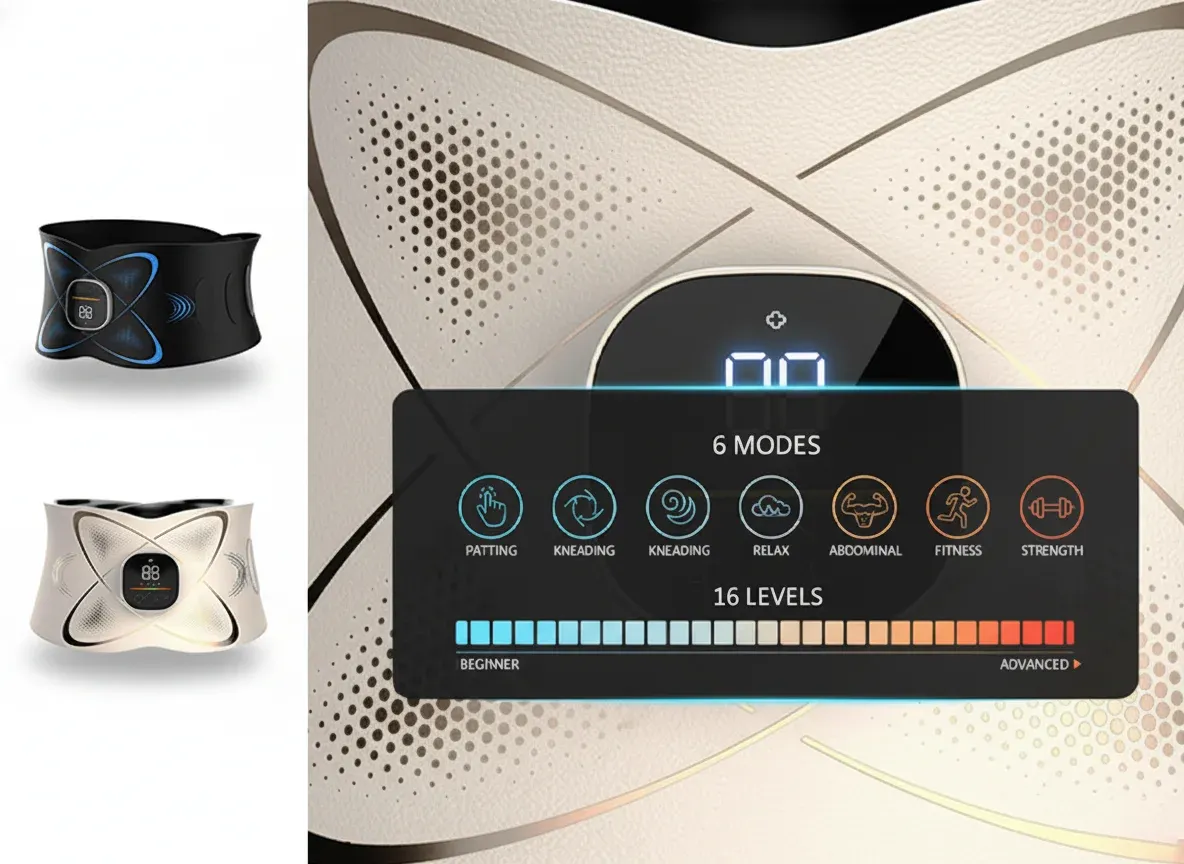
The UK market for EMS ab belts has exploded in 2026. Here's how the main options stack up against each other based on specs and value.
| Feature | Tulilutele EMS Belt (£78.60) | Budget Marketplace Belts (£20-35) | Premium Branded (£120-200) |
|---|---|---|---|
| Intensity Levels | 99 | 10-20 | 100-150 |
| Programmes | 7 modes | 1-3 modes | 7-10 modes |
| Power Source | Rechargeable (USB) | Battery (CR2032 or AAA) | Rechargeable |
| Heat Therapy | Yes | No | Some models |
| Remote Control | Yes | No | Yes (app-connected) |
| Gel Pad Replacement | Standard pads (~£8-12 per set) | Proprietary or generic (~£5-8) | Proprietary (~£15-25 per set) |
| Warranty | Standard UK consumer rights | Variable (often 30 days) | 1-2 years |
| Value Rating | Excellent mid-range | False economy risk | Premium for brand name |
Honestly, I've tried cheaper alternatives and they just don't cut it. The intensity range on a 10-level belt is laughable once your muscles adapt after the first fortnight. You need headroom to progress — that's where 99 levels makes a real difference. The ab belt options at tulilutele.co.uk hit that sweet spot between budget tat and overpriced premium gear.
The gel pad replacement cost is something most people overlook. Budget belts often use non-standard pads that are hard to source. Branded premium belts lock you into expensive proprietary replacements. At £8-12 per set lasting roughly 20-30 sessions, the ongoing cost for a mid-range belt is manageable — roughly £4-6 per month with daily use.
Pairing EMS with an Active Outdoor Lifestyle
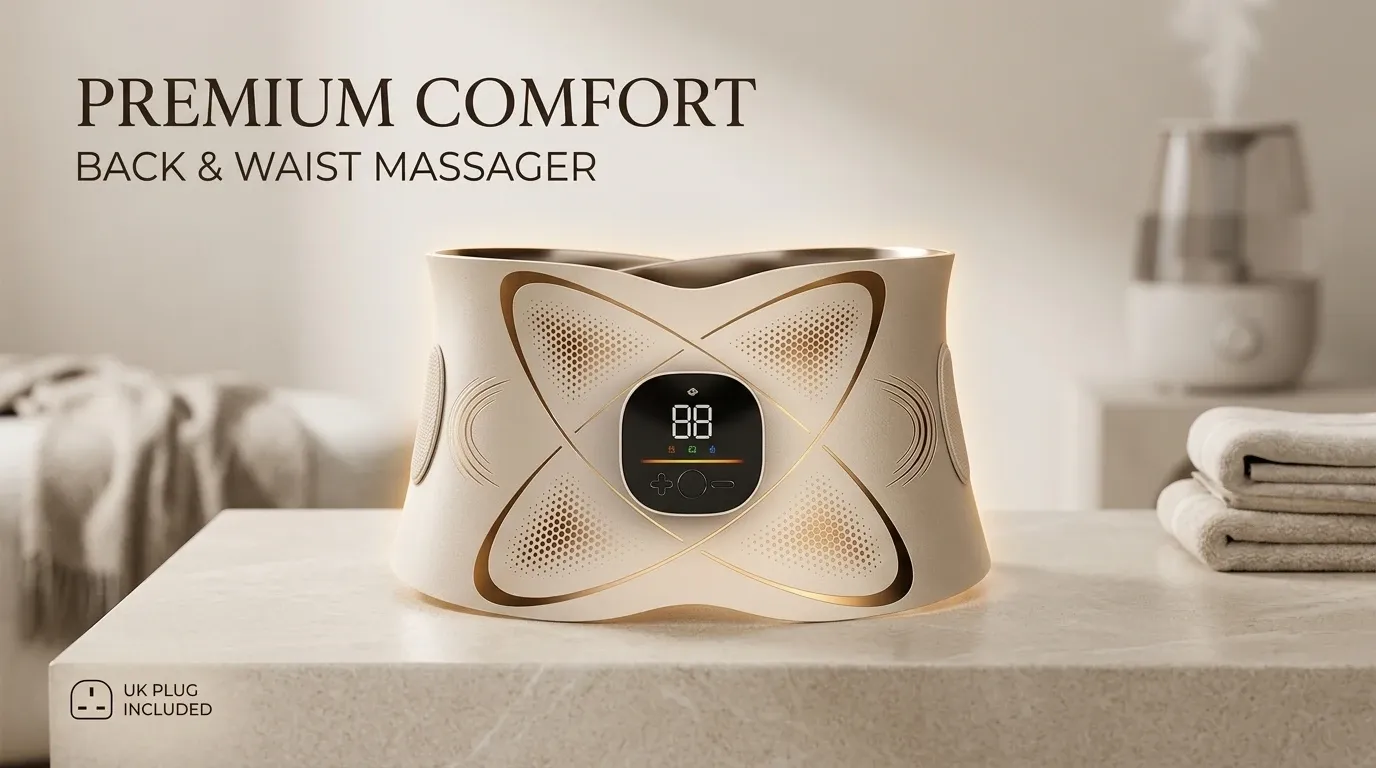
This is where I think the real value lies for most UK buyers in 2026. An EMS toning belt isn't a replacement for exercise. It's a supplement — and a useful one if you deploy it sensibly.
Living in Belfast, I'm lucky to have the hills around Cave Hill and Divis within easy reach. Running those trails hammers my legs and cardiovascular system, but my core often gets neglected unless I specifically programme ab work into my routine. After a long shift pulling pints, the last thing I want is to lie on a cold floor doing bicycle crunches. (If you know, you know.)
A Practical Weekly Integration
Here's how I've been using mine since January 2026:
- Monday/Wednesday/Friday: 25-minute EMS session at intensity 45-60 while prepping meals
- Tuesday/Thursday: Trail running or cycling — the improved core stability is noticeable on uneven terrain
- Saturday: Traditional core circuit (planks, dead bugs, pallof press) — the belt has made these feel easier
- Sunday: Rest or gentle walk with a recovery-level EMS session at intensity 20-25
That said, I wouldn't recommend wearing the belt during actual exercise. It's designed for passive use. Strap it on during recovery periods, while commuting on the bus, or during those dead hours between activities. The remote control makes adjustments dead easy without having to lift your shirt in public.
Seasonal Considerations for UK Users
The heat therapy function earns its keep during colder months. October through March, when you're less inclined to do outdoor core work in the garden or park, the belt keeps your abdominal training consistent. Consistency beats intensity — that's something every decent personal trainer will tell you., popular across England
For anyone exploring abs belt options for home training, the combination of EMS and heat makes winter sessions genuinely comfortable rather than something you dread.
Frequently Asked Questions
How long does it take to see results from a slendertone-style EMS belt?
Most users report noticeable improvements in muscle firmness after 4-6 weeks of consistent daily use at 20-30 minutes per session. Measurable strength gains typically appear by week 8. Results depend heavily on starting fitness level, diet, and whether you combine EMS with traditional exercise. The belt won't produce visible abs alone — body fat percentage must be low enough for definition to show.
Is an EMS ab belt safe to use every day?
Yes, daily use is generally safe for healthy adults when following manufacturer guidelines. Most programmes recommend 20-30 minutes per session, 5-7 days per week. Rest days allow muscle recovery, similar to conventional training. Avoid use if you have a pacemaker, are pregnant, have epilepsy, or have skin conditions under the pad area. Consult your GP if unsure about suitability.
How much does a decent toning belt cost in the UK in 2026?
Quality EMS toning belts range from £50 to £200 in the UK market as of June 2026. The sweet spot for features versus value sits around £70-90, where you'll get rechargeable batteries, 99 intensity levels, multiple programmes, and extras like heat therapy. Budget options under £35 typically lack progression range and durability. The tulilutele rechargeable belt at £78.60 represents strong mid-range value.
Can a toning belt help with back pain?
Strengthening core muscles can reduce lower back pain by improving spinal support and posture — this is well-documented in physiotherapy literature. An EMS belt targets the rectus abdominis and obliques, which contribute to core stability. However, it's not a medical device and shouldn't replace professional treatment. If you have chronic back pain, consult your GP or physiotherapist before starting any new training protocol.
How often do gel pads need replacing on an EMS belt?
Gel pads typically last 20-30 sessions before adhesion weakens and conductivity drops. With daily use, that's roughly 3-4 weeks per set. Replacement sets cost £8-12 for mid-range belts, working out to approximately £4-6 monthly. Clean skin before each session and store pads on their plastic backing sheet to maximise lifespan. Poor pad contact reduces effectiveness and can cause uneven stimulation.
Does slendertone technology burn belly fat?
No. EMS technology strengthens and tones muscle but doesn't burn significant calories or reduce localised fat. Spot reduction is a myth — fat loss requires an overall caloric deficit through diet and cardiovascular exercise. What an EMS belt does is build firmer abdominal muscles beneath the fat layer. Combined with proper nutrition and cardio, this creates a more defined appearance once body fat decreases.
Key Takeaways
- EMS technology is legitimate — backed by physiotherapy research for muscle conditioning, not a gimmick when used correctly and consistently over 6-8 weeks minimum.
- Price sweet spot is £70-90 — the tulilutele.co.uk rechargeable belt at £78.60 offers 99 intensity levels, 7 modes, and heat therapy without premium brand markup.
- It won't replace exercise or diet — treat it as a supplement to active training, not a substitute. Best results come from combining EMS with traditional core work and outdoor activity.
- 99 intensity levels matter — your muscles adapt quickly; a 10-20 level belt becomes useless within weeks. Headroom for progression is essential.
- Rechargeable beats battery-powered — saves £30-50 annually on replacement batteries and delivers more consistent power output throughout each session.
- Heat therapy adds genuine value — improves comfort at higher intensities and makes winter training sessions more tolerable for UK users.
- Ongoing costs are modest — gel pad replacements at £8-12 per set every 3-4 weeks means roughly £4-6 monthly running cost with daily use.
Ready to try Tulilutele?
Shop Now — £78.60