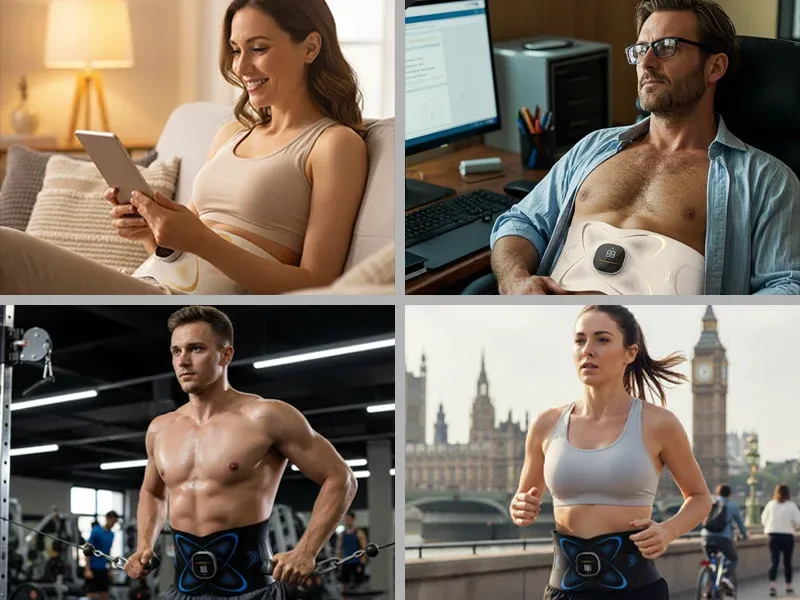
Do Ab Toning Belts Really Work? The Honest Truth About EMS Technology
A no-nonsense investigation into Electronic Muscle Stimulation technology, what ab toning belts can genuinely deliver, and where the marketing hype falls apart — based on real-world testing and clinical evidence available in 2026.
What Is EMS and How Do Ab Toning Belts Use It?
EMS — Electronic Muscle Stimulation — sends low-level electrical impulses through electrode pads to trigger involuntary muscle contractions. That's the core principle behind every ab toning belt on the market. Simple enough concept, right?
I'll be straight with you. Working behind the bar most evenings, I don't always have the energy for a full gym session after a shift. That's partly why I started looking into EMS belts a couple of years back. The idea of strapping something on while watching the match seemed almost too good to be true. And well, actually, parts of it are too good to be true — but not all of it.
The technology itself isn't new. Physiotherapists have used electrical stimulation since the 1960s for muscle rehabilitation. What's changed is the packaging. Modern EMS abdominal belts wrap the technology into a consumer-friendly format with rechargeable batteries, multiple intensity levels, and smartphone connectivity. The fundamental electrical principles remain identical to clinical devices — it's the application that's shifted toward fitness rather than pure rehabilitation.
How the Electrical Signal Reaches Your Muscles
Gel electrode pads sit against your skin. The belt's control unit generates electrical pulses — typically between 1Hz and 100Hz depending on the programme selected. These pulses bypass your brain's normal signalling pathway and directly stimulate the motor neurons in your abdominal wall. Your muscles contract. They relax. They contract again. You're getting repetitions without consciously performing a crunch.
The Science Behind Electrical Muscle Stimulation: Does It Stack Up?
Yes, EMS causes genuine muscle contractions — that's not disputed by anyone in sports science. The real question is whether those contractions are intense enough and frequent enough to produce measurable results.
A 2005 study published in the Journal of Sports Science & Medicine found that 8 weeks of EMS training produced a 58% increase in abdominal muscle endurance among sedentary participants. That's significant. But here's the catch — participants used the device 5 days per week for 20-minute sessions at progressively higher intensities. Consistency mattered enormously.
More recent research from 2019 in the European Journal of Applied Physiology confirmed that EMS can increase muscle thickness by approximately 1-2mm over a 12-week period. Not dramatic. But measurable., a favourite among Britain’s tradespeople
What the Clinical Evidence Actually Shows
I've read through a fair few studies on this. The pattern is consistent:
- Muscle activation: Confirmed. EMS recruits up to 90% of muscle fibres versus roughly 60% during voluntary contractions
- Strength gains: Modest. Typically 10-25% improvement in isometric strength over 6-8 weeks
- Fat reduction: Minimal to none from EMS alone. This is where most marketing overpromises
- Muscle tone improvement: Genuine, particularly in previously inactive individuals
The NHS guidance on muscle strengthening recommends activities that work all major muscle groups at least twice weekly. EMS can supplement this — it shouldn't replace it entirely.
What Ab Toning Belts Can Realistically Achieve
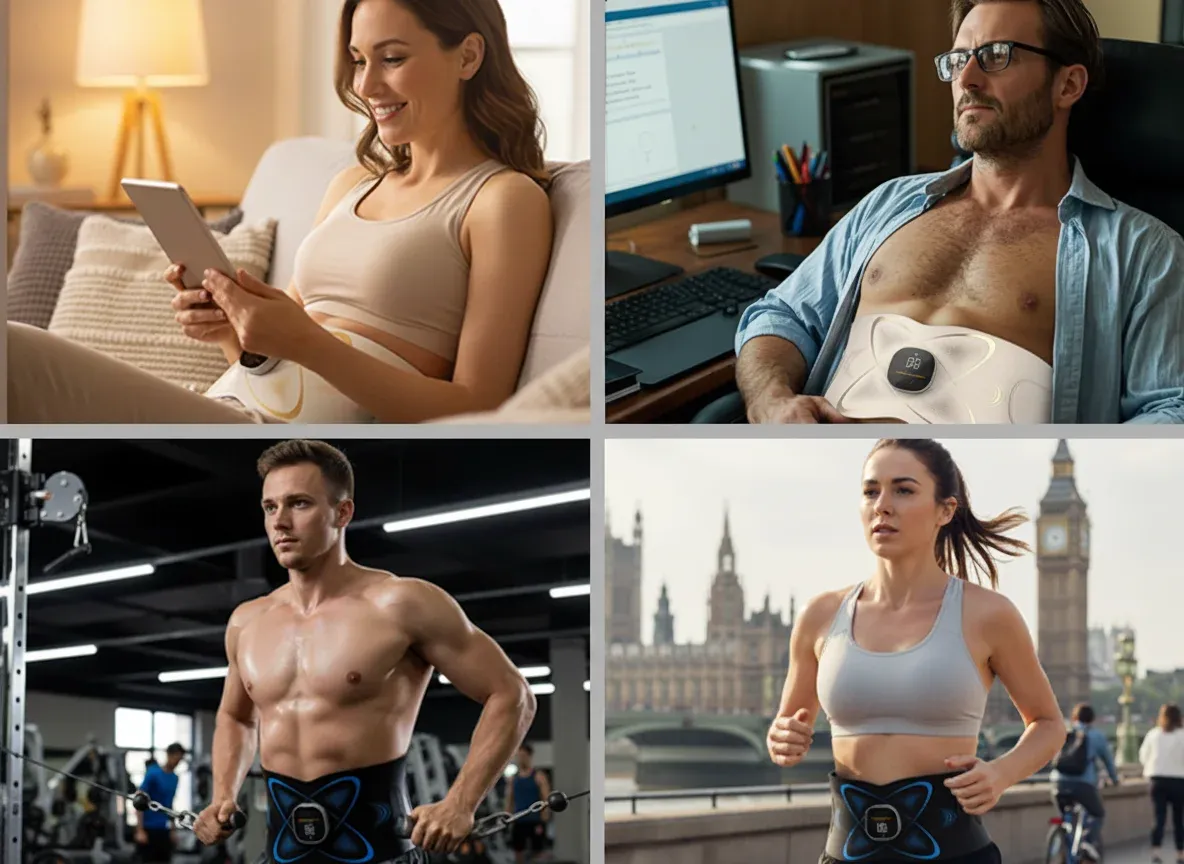
They'll strengthen your core muscles. That's the honest, evidence-backed answer. But let's break down what that means in practical terms for someone fitting this around a normal life.
Genuine Benefits Worth Knowing
After testing several EMS devices over the past 18 months — including a Slendertone-style belt and a newer combined heat-and-EMS unit — here's what I've personally noticed. My core feels tighter. Not six-pack territory, mind you, but genuinely firmer. The difference is most noticeable when I'm on my feet for a 10-hour bar shift. Less lower back fatigue. Better posture without thinking about it.
I've tried cheaper alternatives and they just don't cut it, for what it's worth. The intensity range matters. A belt with only 10-15 levels won't challenge your muscles once you've adapted past the first fortnight. You need something offering at least 99 intensity levels to maintain progressive overload — the same principle that makes gym training effective.
The Heat Therapy Advantage
One development I've found genuinely useful in 2026 is the combination of EMS with heat therapy. The rechargeable EMS belt with heat function available at £78.60 combines both technologies. The warmth increases blood flow to the abdominal area during stimulation, which some research suggests may improve muscle recovery and reduce post-session stiffness. It's a small thing, but after a long shift on your feet, that warmth is surprisingly comforting.
The Limitations Nobody Talks About
No EMS belt will burn significant body fat. Full stop. If someone's selling you a toning belt as a weight loss device, walk away., meeting British quality expectations
Here's why. A 30-minute EMS session burns approximately 50-80 calories. Compare that to a 30-minute brisk walk (150-200 calories) or a HIIT session (250-400 calories). The energy expenditure simply isn't there for fat loss. Your muscles are contracting, yes, but the metabolic demand is a fraction of whole-body exercise.
Common Misconceptions I Keep Hearing
Blokes at the pub ask me about these all the time. So what's the catch? Usually it's one of these misunderstandings:
- "It'll give me a six-pack" — Only if your body fat percentage is already below 12-15%. The belt builds muscle underneath; it doesn't remove the layer on top
- "I can skip the gym entirely" — EMS doesn't provide cardiovascular benefits, doesn't train stabiliser muscles through full range of motion, and won't improve functional strength the way compound lifts do
- "More intensity = faster results" — Cranking it to maximum from day one risks muscle soreness and skin irritation. Progressive increase over 2-3 weeks is essential
- "Any cheap belt works the same" — Signal quality varies enormously. Poorly calibrated pulses feel uncomfortable and recruit fewer muscle fibres
The Which? consumer reviews have flagged several budget EMS devices for inconsistent electrical output and poor gel pad longevity. Spending under £30 is usually a false economy.
Safety Considerations
EMS belts aren't suitable for everyone. People with pacemakers, epilepsy, or who are pregnant should avoid them entirely. Those with metal implants near the abdominal area need medical clearance first. The UK medical device regulations require consumer EMS products to carry appropriate warnings, but not all imported devices comply fully.
How to Choose a Decent EMS Belt in 2026
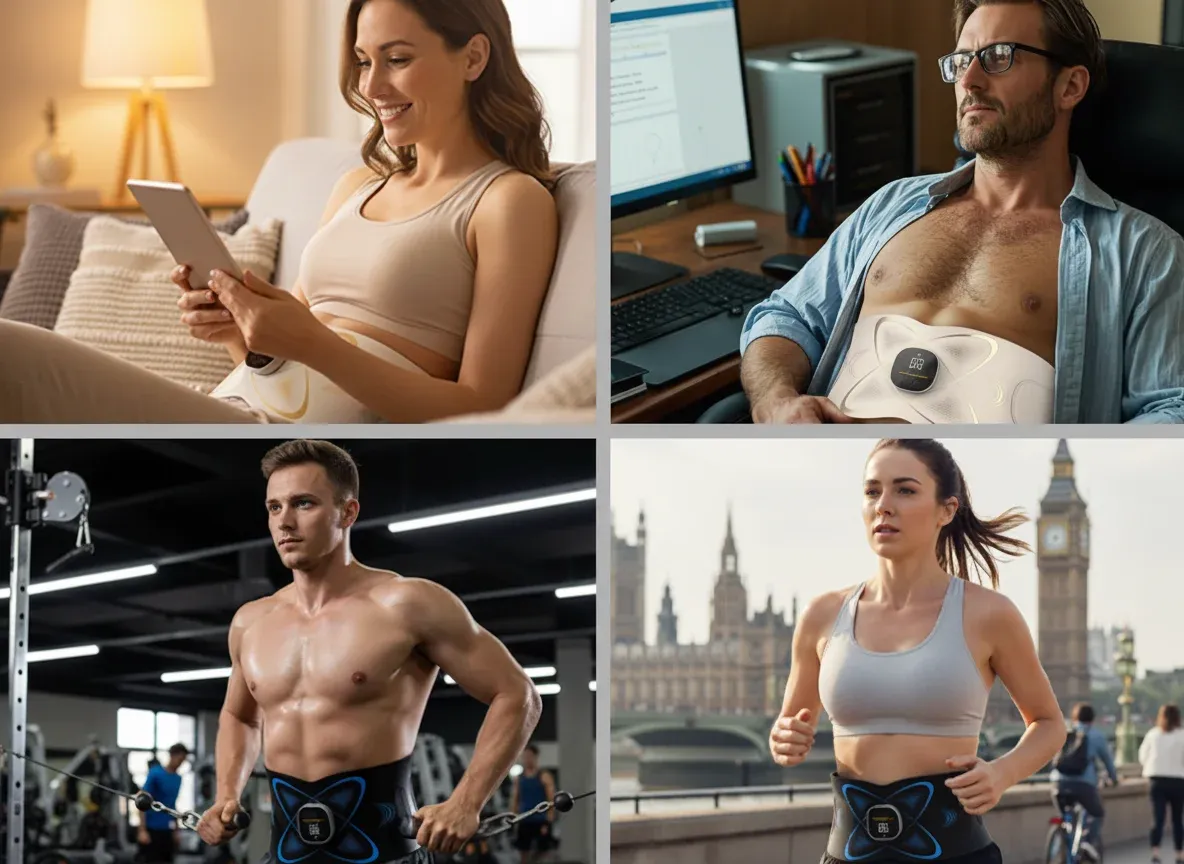
The market's flooded with options this spring, ranging from £15 disposable-feeling units to £200+ professional-grade systems. Here's what actually matters when you're spending your own money.
Features That Justify the Price
Look, I know the price seems steep on some of these, but hear me out. The difference between a £30 belt and a £78 belt isn't just branding. It's signal quality, electrode coverage area, programme variety, and build durability. A belt that dies after 6 weeks costs you more per session than one lasting 18 months.
Key features to prioritise:, popular across England
- Intensity range: Minimum 99 levels for long-term progression
- Programme modes: At least 6-7 different stimulation patterns (endurance, strength, combination)
- Rechargeable battery: Disposable battery units cost £8-12 per month in replacements
- Electrode coverage: Wider pad placement targets rectus abdominis and obliques simultaneously
- Heat function: Combined EMS and thermal therapy improves comfort and may enhance results
My mate swears by his older Slendertone model, and I get why — it's reliable. But the newer combined units from tulilutele.co.uk offer that heat therapy element at a competitive price point. The £78.60 rechargeable model with 7 modes hits a sweet spot between affordability and genuine functionality.
EMS Belt Comparison: Features and Value

Here's how the main categories of ab toning belts stack up against each other based on features, price, and what you're actually getting for your money.
| Feature | Budget Belts (£15-35) | Mid-Range EMS + Heat (£60-90) | Premium Branded (£120-200+) |
|---|---|---|---|
| Intensity Levels | 10-20 levels | 99 levels | 99-150 levels |
| Programme Modes | 1-3 modes | 6-7 modes | 7-10 modes |
| Heat Therapy | No | Yes (comforting warmth) | Varies by model |
| Battery Type | Disposable (CR2032 or AAA) | USB rechargeable | USB rechargeable |
| Electrode Quality | Basic gel pads, 15-20 uses | Medical-grade gel, 30-50 uses | Medical-grade gel, 40-60 uses |
| Remote Control | Rarely included | Often included | App or remote |
| Typical Price | £15-35 | £60-90 (e.g. £78.60) | £120-200+ |
| Cost Per Month (12 months) | £5-8 + batteries | £5-7.50 | £10-17 |
| Best For | Trying EMS for the first time | Regular home use, best value | Brand loyalty, advanced features |
That said, if you're only curious and not sure you'll stick with it, a budget option lets you test whether EMS suits you before committing. Just don't judge the technology by a £20 device — that's like judging all cars by a banger with 180,000 miles on the clock.
Frequently Asked Questions
Do ab toning belts actually build muscle?
Yes, clinical studies confirm EMS causes genuine muscle hypertrophy. Research shows approximately 1-2mm increase in abdominal muscle thickness over 12 weeks with consistent use (5 sessions weekly, 20-30 minutes each). Results are most pronounced in previously sedentary individuals. They won't replace heavy resistance training but do produce measurable strengthening.
Can an EMS belt help me lose belly fat?
No. EMS sessions burn only 50-80 calories per 30-minute session — insufficient for meaningful fat loss. Ab toning belts strengthen underlying muscle but don't reduce subcutaneous fat. Fat loss requires a caloric deficit through diet and cardiovascular exercise. The NHS recommends 150 minutes of moderate activity weekly for weight management.
How often should I use an ab toning belt for results?
Most clinical studies showing positive results used 5 sessions per week, each lasting 20-30 minutes. Allow at least one rest day between intensive sessions. Beginners should start at lower intensities (levels 10-20 out of 99) and increase gradually over 2-3 weeks. Noticeable firmness improvements typically appear after 4-6 weeks of consistent use.
Are EMS belts safe to use at home?
For most healthy adults, yes. Consumer EMS devices operate at safe electrical levels (typically under 80mA). However, they're contraindicated for people with pacemakers, epilepsy, pregnancy, or metal implants near the abdomen. UK-sold devices should comply with medical device regulations. Always check for CE/UKCA marking before purchase., with availability in Scotland
What's the difference between cheap and expensive ab toning belts?
Signal quality and progression range. Budget belts (£15-35) typically offer only 10-20 intensity levels with 1-3 programmes, limiting long-term progression. Mid-range devices (£60-90) provide 99 intensity levels, 6-7 modes, rechargeable batteries, and features like heat therapy. The electrical waveform quality also differs — better devices produce smoother, more comfortable contractions.
How long do gel pads last on an EMS belt?
Budget gel pads last 15-20 sessions before losing adhesion and conductivity. Medical-grade pads on mid-range and premium belts typically last 30-50 sessions. Replacement pads cost £8-15 per set. Clean skin before use and store pads on their plastic backing sheet to maximise lifespan. Poor pad contact reduces stimulation effectiveness and can cause skin irritation.
Key Takeaways
- EMS technology genuinely works for muscle strengthening — clinical evidence supports 10-25% isometric strength gains over 6-8 weeks with consistent use
- Ab toning belts won't burn fat — at 50-80 calories per session, they're not a weight loss tool regardless of what marketing claims
- Consistency is non-negotiable — minimum 5 sessions per week for 4-6 weeks before expecting noticeable results
- Mid-range devices offer best value — the £78.60 rechargeable EMS belt with heat therapy provides 99 intensity levels and 7 modes at 40-60% less than premium equivalents
- Progressive overload applies — you need enough intensity levels (99+) to keep challenging muscles as they adapt
- EMS supplements exercise, doesn't replace it — combine with regular activity and sensible nutrition for visible results
- Safety first — avoid if you have a pacemaker, epilepsy, are pregnant, or have abdominal metal implants
The Honest Verdict on Ab Toning Belts
So do they work? Yes — within specific, realistic parameters. They'll strengthen your core, improve muscle tone, and potentially help with posture and lower back support. They won't melt fat, replace proper exercise, or give you a magazine-cover physique while you sit on the sofa.
I'd recommend them for three types of people: those recovering from injury who need gentle muscle reactivation, busy folk who want to supplement (not replace) their training, and anyone whose job keeps them on their feet all day wanting better core support. That last category is where I've personally noticed the biggest difference — and I suspect it's where most people reading this will find the most value too.
If you're going to invest, spend enough to get a device with proper progression range. The combined EMS and heat therapy belt at £78.60 is spot on for most people — decent spec, rechargeable, and that heat function is genuinely pleasant during evening sessions. Worth the extra spend over a budget unit you'll outgrow in a fortnight.
Just keep your expectations grounded. Treat it as one tool in a broader approach to fitness. That's the honest truth about EMS technology in June 2026 — effective for what it is, overhyped for what it isn't.
Ready to try Tulilutele?
Shop Now — £78.60